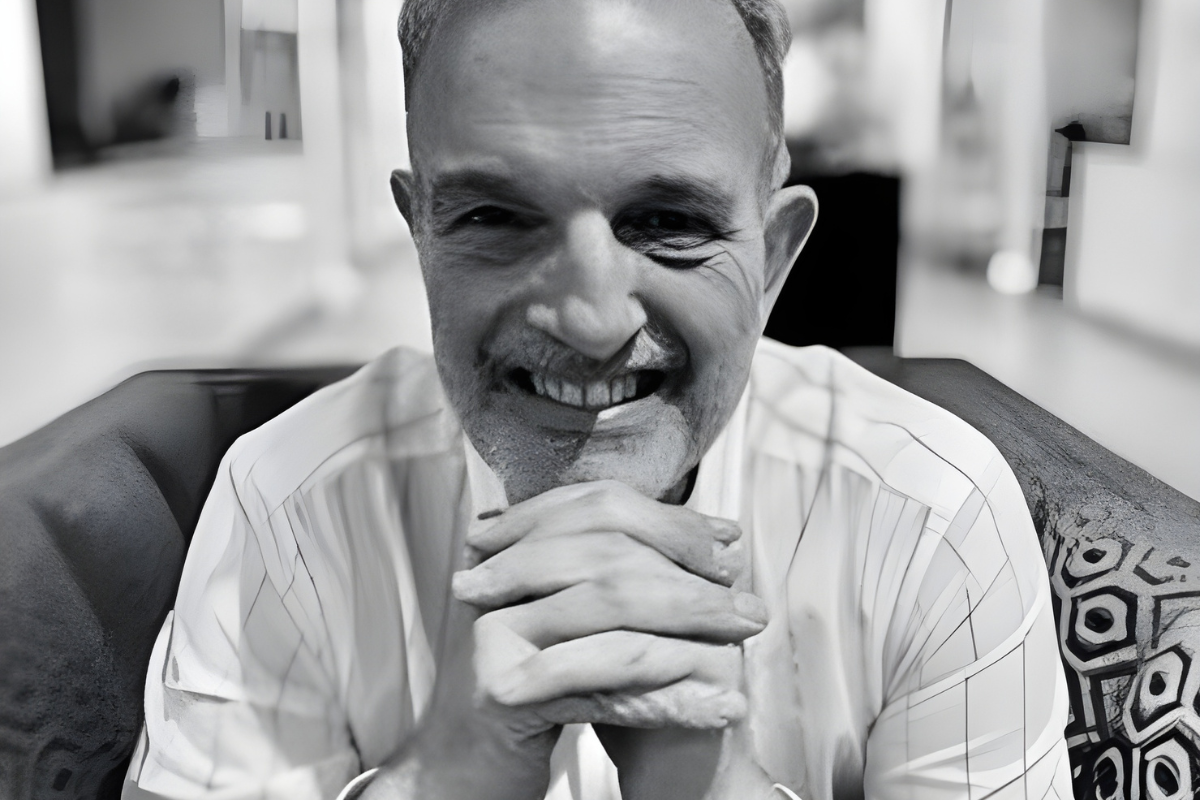
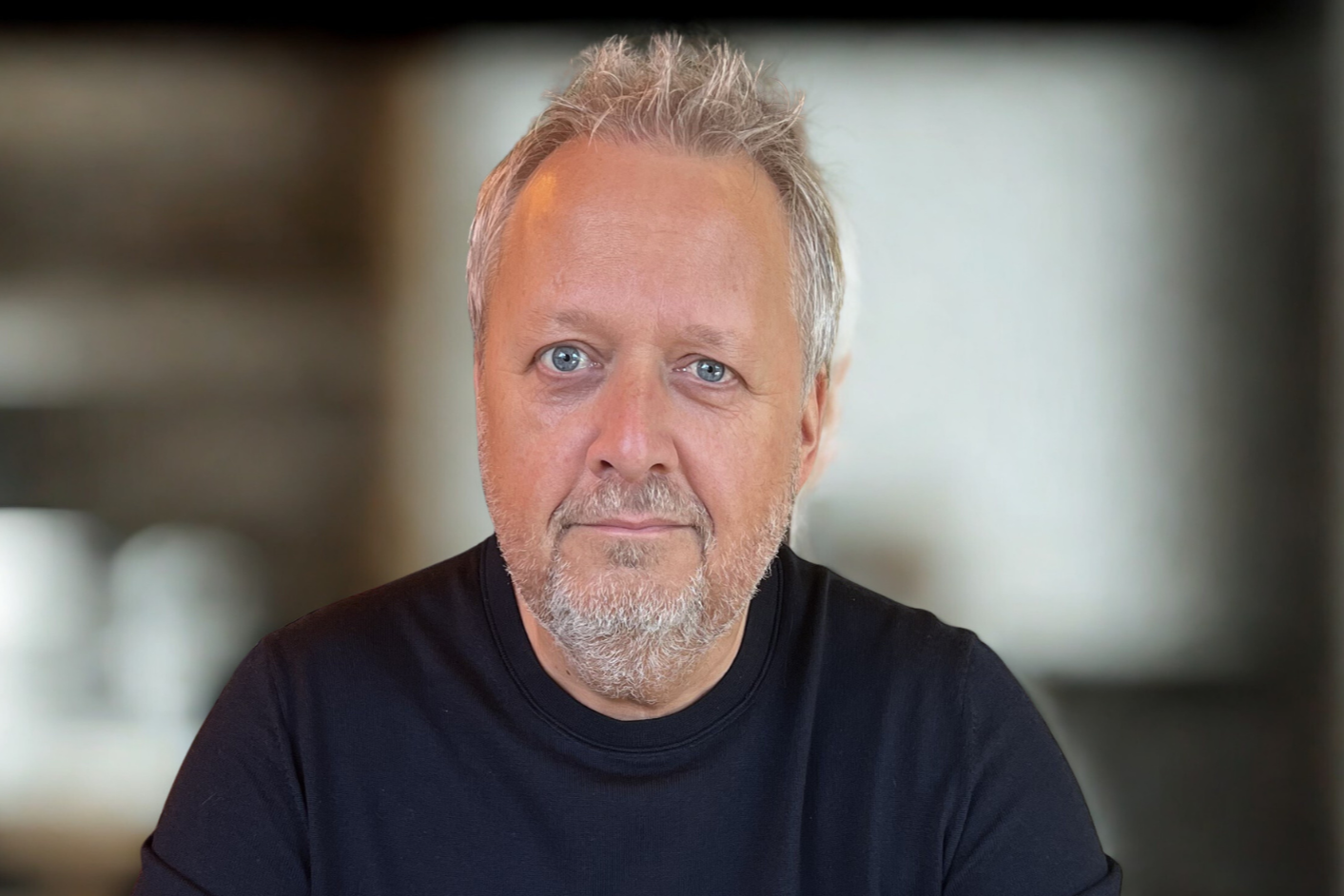
Meet The Investor: Byron Crellin
By Toby Hicks
Having built and sold multiple businesses before stepping into the boardroom, Byron Crellin brings a combination of founder instinct and corporate discipline to his angel portfolio. Now investing globally across multiple sectors via the Angel Investment Network, he talks to AIN about what drew him from the operator’s seat to the investor’s, how he evaluates founders when the data is thin – and what a startup can do in a few lines to earn his full attention.
Why did you become an angel investor?
I have lived both sides of the fence, building businesses from the ground up and operating in the corporate boardroom with investment funds yet something always felt incomplete. I’d reached a stage where my real value came from working on strategic planning, innovation and adaptation to maintain market competitive advantage.
After building and selling multiple businesses, I developed a mental model for what “good growth” looks like. I spot patterns, inefficiencies, and opportunities.
Becoming an investor was the natural evolution. After exploring a range of platforms, I found the Angel Investment Network offered exactly the structure I wanted to start expanding my investment portfolio.
As a result of my successful engagement with the AIN platform, today my portfolio is operating across the globe in different market sectors.
You have made numerous investments via the Angel Investment Network, can you shed some light on the value this platform brings?
It gives early‑stage investors something that’s hard to build alone: structured access to multiple operating sectors, filtered by stage and investment requirements.
The value of being on the AIN platform shows up in a few ways for me personally. I see businesses that have already validated demand, built early traction, or proven a technical capability. That saves enormous time compared to sourcing opportunities manually.
Founders get visibility and investors get transparency. It’s a simple model, but it works because the incentives are aligned: quality attracts quality.
How does the platform experience differ from the traditional “who-you-know” network of private angel investing?
The Angel Investment Network replaces a closed circle with a merit‑based, opportunity‑led ecosystem. Traditional angel investing depends heavily on who you happen to know, which means your deal flow is limited by your personal network.
On a platform, the dynamic flips: you’re exposed to founders and sectors you’d never naturally encounter, and they’re judged on the strength of their proposition rather than their proximity to your contacts.
The immediate benefit for me was instead of seeing the same types of businesses from the same circles, I can access a far wider, more diverse pipeline. That’s invaluable for spotting emerging trends early for me and probably many investors.
In the early stages, the data is often sparse. When you’re evaluating a seed-stage startup, how do you balance the ‘math’ (the tech and metrics) against the ‘person’ (the founder’s vision and grit)?
At seed stage the metrics are too thin to make a purely analytical decision, so the ‘math’ is really a way of checking that the opportunity is real, the thinking is grounded, and the early signals make sense.
I assess each seed‑stage through four filters:
1) whether the sector has real momentum
2) whether the proposition can genuinely disrupt
3) whether it has that spark of appeal that makes it stand out, and
4) whether the team has a clear, defensible USP.
A strong USP matters because it shows the founder understands their market. Without that, even a good idea struggles to scale.
I like and agree with the quote – “How many millionaires do you know who have become wealthy by investing in savings accounts? I rest my case.” — Robert G. Allen
Given your background in directorships, you bring more than just capital to the table. What does your ‘active’ involvement actually look like?
I get involved to help sharpen the proposition, pressure‑testing the commercial model, and helping the founder/ business teams avoid the early mistakes that cost time and momentum.
A lot of that comes from board‑level experience bringing structure, discipline, and clarity to what can otherwise be a chaotic journey.
I apply a positive thinking and help each business stay focused on the things that truly drive value.
I’m sharing my experiences so we can collectively add real value — not just to tick a box, but to spark the kind of thinking, challenge, and collaboration that actually moves things forward. By putting the honest lessons out there, the successes and the setbacks, we give everyone something solid to build on and turn into better outcomes.
I’m a big advocate of team‑based working, where we share openly and learn as we go. I would always promote a Monday morning management briefing session. It sets the agenda for the week, brings clarity to our objectives, grounds us in the numbers, and ensures we’re aligned on the actions that matter.
Beyond the financial ROI, what is the ‘legacy’ or global impact you’re looking to support through your current portfolio?
I’m looking to back organisations that leave something meaningful behind, not just a strong balance sheet.
If investors and management teams consistently raise the standard of how businesses operate with discipline, integrity, and respect we create something genuinely powerful. Organisations built on principles strong enough to outlast their founders and continue delivering value long after the original team has moved on.
If a company becomes a reference point for “how to do it properly,” that’s a legacy.
For those looking to enter angel investing from corporate or traditional backgrounds, what is the hardest ‘mental shift’ they need to make regarding failure and risk? How can they prepare themselves?
They must let go of the idea that risk is a controllable variable and accept that, in early‑stage investing, uncertainty is the operating environment.
In corporate settings, failure is something to avoid because it carries consequences. The hardest shift is moving from a world of forecasts, approvals, and predictable outcomes to one where you make decisions with incomplete information.
Some of my investments weren’t solely based on forecasted exit multiples, they were made because of the founder and their intensity, focus and their ability to execute in the market.
As an investor, you’re not just backing the business plan, you’re backing the team with the discipline and capability to execute it.
We often hear about “Product Market Fit” but rarely “Investor Founder Fit”. In your experience, what does a healthy investor-founder relationship look like?
You must find and agree the balance in the relationship. It’s about stepping in, not just checking in.
The founder sets the vision and pace; the investor provides challenge, structure, and support without drifting into control. It works when both sides are honest about what they need, communicate openly, and respect each other’s role.
The investor should create space for the founder to lead, while being a steady, constructive voice that helps them think sharper, move faster, and avoid avoidable mistakes. When that balance is right, it feels like a partnership rather than oversight.
What is the one thing startups on the AIN platform can do to break through the noise and capture the attention of an investor?
Businesses raising investment will prepare a presentation deck or Information Memorandum (IM), especially if they want to attract angels, early‑stage funds, or sophisticated private investors.
The startups that stand out are the ones that articulate the problem, solution, and USP that’s strong. If you can communicate in a few lines what you do, why it matters, and why you’re the team to win, you’ve got an investors attention.
Looking for investment opportunities? Join us at angel investment network, where global investors meet the great businesses of tomorrow.


Related posts
A new survey conducted among global investors by Angel Investment Network has shed light on the preferences, motivations, and...
Read more
arrow_forward
“If you don’t see it, you can’t be it” says inspirational investor and founder Andy Ayim MBE. The quote des...
Read more
arrow_forward
David Pattison left school not knowing what he wanted to do. He ‘fell’ into the media side of the advertising industry. W...
Read more
arrow_forward