

Meet The Investor: Deborah Young
By Toby Hicks
In our latest Meet The Investor interview, we speak to Deborah Young, a non-executive director, advisor and angel investor with more than 20 years in SaaS and enterprise software. Deborah led Sword GRC’s global business and executed buy and build across the GRC and document management space, before growing consultancy Bip UK/US as Managing Partner through to exit. A founding member of Alma Angels and a member of the South East Angels syndicate, her portfolio spans purpose-driven companies including Cogo, XRAI Glass, Aura and Enough Energy.
She discusses why she backs founders over sectors, what really drives exit value, the misconceptions about the funding gap for women-led businesses, and why clarity is the biggest strength founders can bring to a pitch.
What made you want to start backing companies with your own capital, rather than staying purely on the operating and advisory side?
You’ve built a career on both sides of the table, running SaaS businesses, then moving into NED and advisory roles before becoming an active angel. What made you want to start backing companies with your own capital, rather than staying purely on the operating and advisory side?
Your portfolio spans sustainability fintech, energy, AR accessibility and digital life services. What’s the thread connecting the companies you choose to back?
The thread isn’t the sector – it’s the founder. I learned early that I can teach someone about markets or products, but I can’t teach conviction or character. So I look for founders with a clear vision I believe in, who I trust implicitly, and honestly, who I’d actually want to work with. Everything else is context.
What are the biggest differences in how you evaluate a founder/ founding team at seed stage versus a management team leading a scale-up and what are the similarities?
Seed is high ambiguity, scale-up is high complexity. At seed, I’m betting on founder grit and market smell; at scale-up, I’m assessing whether the team can manage that complexity without losing momentum. But in both cases, I’m watching the same things: Can they execute GTM? Do they hire and develop talent? How do they respond when market conditions shift? That last one matters most.
What does your experience teach you about what actually drives exit value, and how early should founders be thinking about it?
Exit value is driven by two things you control and one you don’t. You control your unit economics and growth trajectory. You don’t control market conditions—and they matter enormously. Here’s the practical bit: it takes at least 12 months to execute a sale, so founders need to be thinking about exit optionality when they’re raising institutional money. Not obsessing over it, just keeping it real.
As a founding member of Alma Angels, you’re part of a community built around closing the funding gap for women-led businesses. What’s one misconception people still have about why that gap exists, and what’s actually moving the needle?
The misconception is that we’ve already closed the gap. We haven’t. What actually moves the needle? Two things: more women investors backing women founders (we bring different conviction), and founders—of all genders—understanding that angel syndicates with diverse perspectives make better decisions. It’s not charity; it’s smarter capital.
You invest both individually and through syndicates like South East Angels. What does a syndicate get right that solo angel investing doesn’t, and where does it fall short?
Syndicates force you to defend your thinking. You hear perspectives you wouldn’t alone, and honestly, it’s more fun. The downside is real, though—syndicates develop personalities. You might find yourself drawn into deals that don’t fit your thesis just because the group energy is there.
Having sat on boards as a Non-Executive Director, what’s the earliest warning sign that a founder-board relationship is heading for trouble?
Misalignment on expectations and changes on personnel from the lead investor side. When a founder and their lead investor haven’t had a real chemistry and culture check during due diligence—when they haven’t actually aligned on what ‘success in 5 years’ means—that’s where it breaks. It’s fixable, but only if you catch it early.
What’s the most common mistake you see founders make when they’re raising from angels specifically, as opposed to VCs?
They treat it like a transaction. Founders underestimate what angels bring beyond cheque size. Many of us have 20+ years of scars in fundraising, M&A, and operations. We’re not just funding—we’re potential sounding boards, connectors, and problem-solvers. Build the relationship first.
If you could give one piece of advice to a founder about to pitch you, what would it be?
Tell me the problem you’re solving, why this moment matters, and why you’re the person to do it. That’s it. I don’t need a deck that’s perfect—I need clarity.
Are you looking for an angel investor to help fund your business? Join us at Angel Investment Network, where global investors meet the great businesses of tomorrow.


Related posts
In our latest Meet the Investor interview, we meet Cristina Bullon Gomez, a seasoned investor with a passion for nurturing an...
Read more
arrow_forward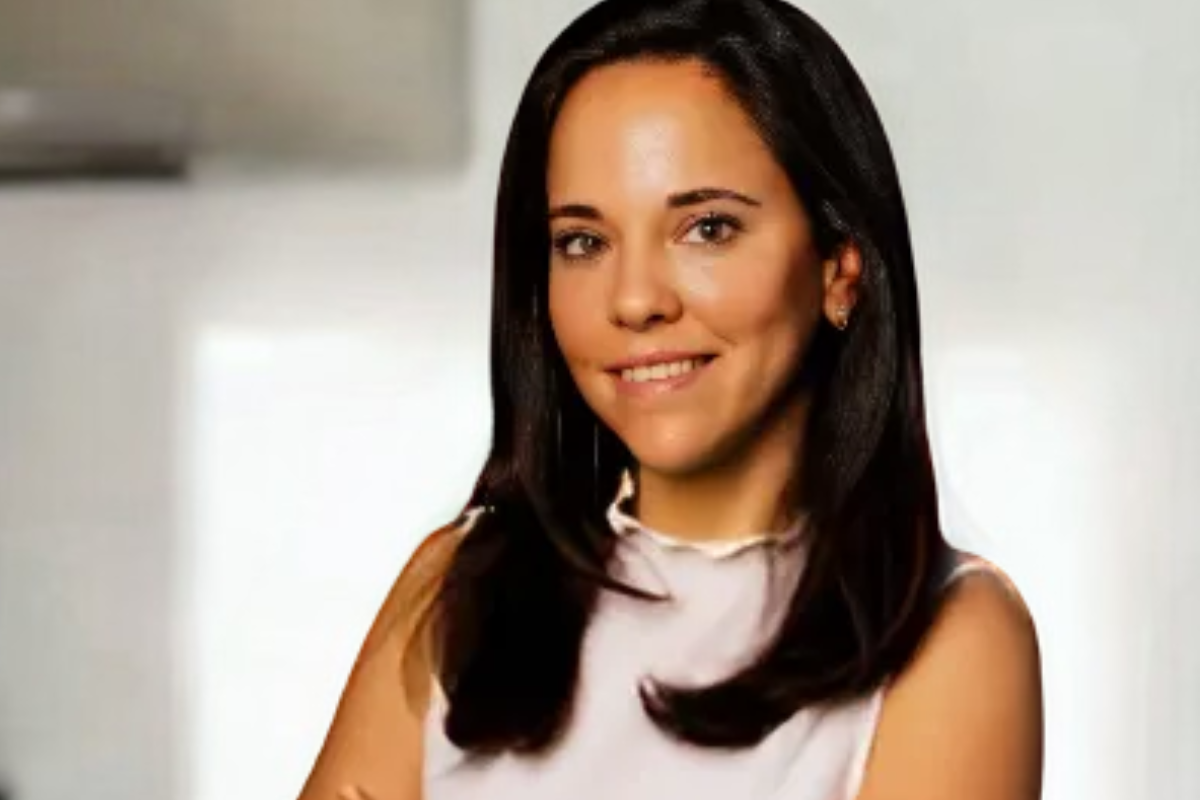
When it comes to investing in startups, investors are not only evaluating the potential of the business idea but also the qua...
Read more
arrow_forward
The Tech Nation Report 2026, launched at London Tech Week, reveals the UK AI boom is real, accelerating, and is the key drive...
Read more
arrow_forward