
Mike Lebus writes for EU-Startups: Why capital efficiency is reshaping early stage funding
By Toby Hicks
In a piece for EU-Startups, Angel Investment Network advisor Mike Lebus argues that the early stage funding conversation has drifted away from a more fundamental shift: the dramatic fall in the actual capital needed to launch a startup. This is especially true because early stage funding requirements have been transformed by technology.
While headlines focus on tighter conditions – European non-AI deal volume fell 40% year-over-year in Q1 2026 – Lebus draws on two decades of ecosystem experience to highlight what’s being missed. The businesses coming through now are fundamentally different. They’re leaner, better prepared, and more capital-efficient than any previous generation, which drastically changes the expectations around early stage funding.
The infrastructure collapse
The reason is straightforward: the cost of building infrastructure has collapsed. What took €100k in ecommerce spend 20 years ago – payment processing, fulfilment, basic tech – now costs near-zero through Shopify and 3PLs. The same compression has rippled across every function a founder needs.
Lebus cites a DTC founder who launched from her kitchen for under €2k. Five years ago, that operation would have needed significant capital. No-code platforms have eliminated the need for engineering teams. Brand tooling is now commoditised. Marketing spend can be deployed by anyone with commercial instinct, without agency overhead. In fact, early stage funding requirements are lower than ever before due to these changes.
The result: founders are arriving at investor conversations with more traction, better prepared materials, and validated unit economics than their predecessors had at comparable stages.
AI and the skeleton crew
The newest layer is agentic AI. Tasks once requiring dedicated hires – support triage, copywriting, data analysis, scheduling, coding – can now be handled by agents. That capability list expands every quarter.
This fundamentally changes the math on early stage dilution. A startup that needed a €500k Seed round to hire five people can now reach similar milestones with a fraction of that capital. Friends-and-family rounds now take companies much further. Founders are arriving at Seed funding rounds with the traction that previous generations only had at Series A. Therefore, the landscape of early stage funding has evolved significantly.
The founder becomes the constraint
If the tools and infrastructure are commoditised, what remains is execution. Lebus argues the balance in early stage investment tilts further toward founder quality. Relevant experience, operational discipline, genuine innovation, and market understanding.
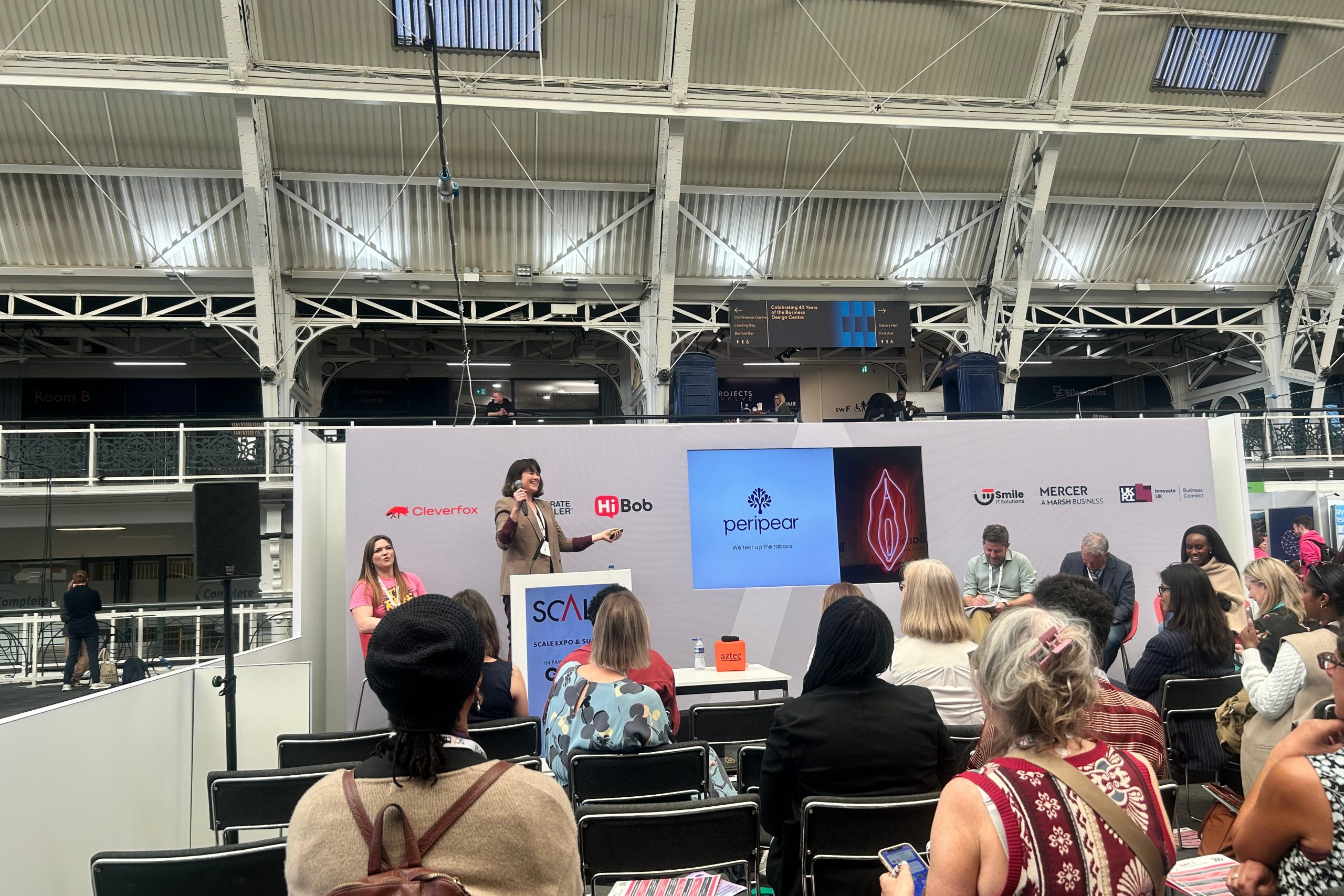
His example: Nina van Schaick of Peripear, who brought 14 years as a midwife to building a medical device. No engineering background, but clinical expertise that let her speak credibly to hospital procurement teams globally. When the tools are available to everyone, advantage flows to whoever understands the problem best.
What it means
The implication for founders and investors is that capital efficiency isn’t a constraint anymore: It’s table stakes. The real questions are about founder quality and market insight. For founders who know what they’re doing, Lebus concludes, this may be one of the best times in history to build. To sum up, successfully navigating early stage funding remains crucial for today’s startups.
Read Mike Lebus’s full piece on EU-Startups
Are you looking for an angel investor to help fund your business? Join us at Angel Investment Network, where global investors meet the great businesses of tomorrow.


Related posts
At AIN we believe that promoting female entrepreneurship is central to economic growth and meaningful innovation. This IWD we...
Read more
arrow_forward
Your initial outreach message is an investor’s crucial first impression of your opportunity and your team. Given that inves...
Read more
arrow_forward
The Angel Investment Network will join the judging panel when the Female Founders Pitch Competition returns at SCALE Manchest...
Read more
arrow_forward