
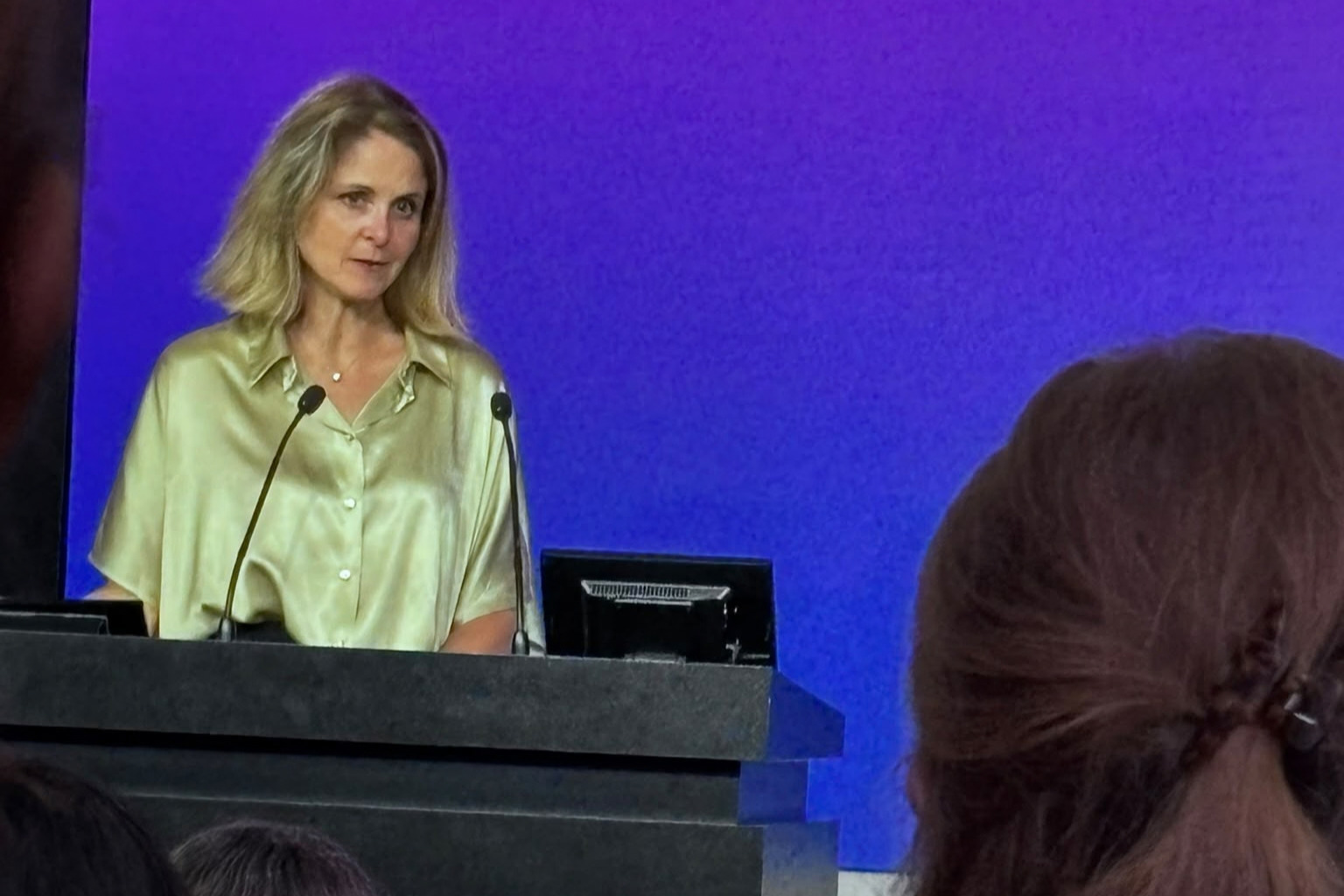
Revolut CEO Francesca Carlesi advises female founders to think big, raise full time and build systems early
By Toby Hicks
Angel Investment Network was in the room at the London Stock Exchange for Female Founders: Connecting Companies with Capital, an evening of live pitches from Seed to Series A founders. Francesca Carlesi, CEO of Revolut UK and previously CEO and co-founder of digital mortgage lender Molo, had some practical advice on what she wishes someone had told her at the start. Think bigger, treat fundraising as a full-time job, choose investors you can live with for years, and build your systems long before you need them. Invaluable tips for any startup at the beginning of their journey.
More than 350 founders applied. A handful made it to the stage at 10 Paternoster Square, where the London Stock Exchange, Notwics and Equality Group put female-led tech businesses in front of investors. As Carlesi told the finalists, getting through that field is “almost as tough as a funding round, but not quite.”
The backdrop is stubborn. For every £1 of equity funding invested in UK businesses, only around 2p reaches all-female founding teams, according to a recent parliamentary report. Her three lessons, each drawn from a mistake she made or a habit that works at Revolut, follow.
Think big, and decide what big means to you
Carlesi’s career has come in two chapters. The first was traditional: consulting, banking and private equity. In 2017 she left banking to build Molo, ran it for around six years, sold it and joined Revolut. None of it was planned, she told the room. It only looks linear with hindsight.
Her first lesson was ambition. Building a company costs you years, money and everything else you might have done with both, so the goal has to be worth all of it. Her test is that it should be big enough, bold enough and, above all, meaningful enough to you. The person who decides what that looks like is you. “Don’t let anybody tell you what you can or cannot do.”
She used Revolut’s early pitch decks as her evidence. The goals written down more than a decade ago looked bold for a startup at that stage, and they have since been met, all of them. The clarity came first and the results followed. If you don’t believe in the goal yourself, she said, nobody else will. For women, she added, that confidence matters well beyond startup land.
Treat startup fundraising as a full-time job
Her second lesson came from a mistake she owned openly. In Molo’s early days, product and hiring took her attention and fundraising slipped into whatever time was left over. If you want to grow, she said, fundraising has to be a full-time job rather than a part-time one.
She accepts that leaves founders doing two full-time jobs at once. Her advice was to prepare early, build relationships before you need the money, and be selective about who you approach, targeting investors who actually back your sector and stage. It sounds basic. It is also one of the most common reasons founders get turned away, a point our own investors made in 5 things investors wish founders knew.
What surprised her most was how long investors stay. Going into her first raise, she assumed each round was its own transaction: this round, then the next one, then profitability. The reality is that investors who backed Revolut early are still on the board and still in regular dialogue with the business years later. “It’s a partner for life.” Choose accordingly. The investors in our Meet The Investor series say much the same.
Scaling a startup depends on people who can run a business
Revolut is a large company now, yet its product development still moves at startup speed. Carlesi puts that down to how it is structured: everybody in the business runs something of their own. That only works if you hire people who are switched on, know their job and can move in parallel without waiting to be told what to do. The alternative is a founder sitting at the centre of every decision, which is where scaling stalls.
Build the systems before you need them
Her most counterintuitive point was about process. Most founders treat early chaos as the price of speed and plan to sort it out once funding lands or the team grows. Carlesi argued for starting while you are still small, putting in the training, the tools and the processes before you need them.
She described Revolut as “the most process-oriented and system-driven company I’ve ever seen in my life, more than banks.” Once something works there it becomes a playbook, written up in Jira or Confluence and broken down into tickets, so anyone joining a team knows exactly what to do on their first day. That institutional memory is what lets a big company keep moving quickly. At Molo she had no appetite for any of it, and she is clear that leaving it late makes it far harder to fix.
Two practical steps came with that. Invest early in your data structure and dashboards, so you can see what is happening across the business. And keep a running list of the critical problems you have not yet fixed, because anything unresolved becomes obvious once you are bigger, more regulated and more visible.
Taken together, the three lessons run in sequence. Ambition sets the destination, full-time fundraising pays for the journey and early systems let you scale without losing speed. The finalists had already done the hard part of getting on stage. Carlesi’s lessons were for everything that comes after.
Commenting on the keynote, Marisa Scullion, Head of Marketing at Angel Investment Network, said: “The standard on stage was exceptional, and so was the honesty in Francesca’s keynote. It was refreshing to hear a CEO talk so openly about the mistakes she made as a founder, from treating fundraising as a part-time job to putting off process until later. Most founders only learn those lessons the hard way.”
“We want female founders to hear them early, because the funding gap will not close on goodwill alone. It closes when more women-led businesses get into the right rooms, fully prepared.”
From Paternoster Square to Manchester
AIN has already seen what a single well-judged pitch can unlock. Nina Van Schaick, founder of women’s healthtech company Peripear, won the pitch competition at SCALE London and has since secured £70,000 through NatWest’s Accelerator programme and an Innovate UK Women in Innovation Award.
The next stop is Freight Island. AIN will join the judging panel at SCALE Manchester on 25 November 2026, where the Female Founders Pitch Competition, run by Women Who Scale, is open to female and non-binary founders leading businesses headquartered in the North West of England. Shortlisted founders will pitch live to investors and an audience of 300. If you are eligible, apply to pitch.
Are you looking for an angel investor to help fund your business? Join us at Angel Investment Network, where global investors meet the great businesses of tomorrow.


Related posts
New data released today by Angel Investment Network (AIN), the world’s largest online angel investment platform, ...
Read more
arrow_forward
A new survey of UK startup founders by the Angel Investment Network, the world’s largest online angel investment platform, ...
Read more
arrow_forward
Your initial outreach message is an investor’s crucial first impression of your opportunity and your team. Given that inves...
Read more
arrow_forward